Convoy
When market efficiency could not overcome structural economics.
Convoy launched in 2015 with a compelling vision: modernize the fragmented trucking industry through technology.
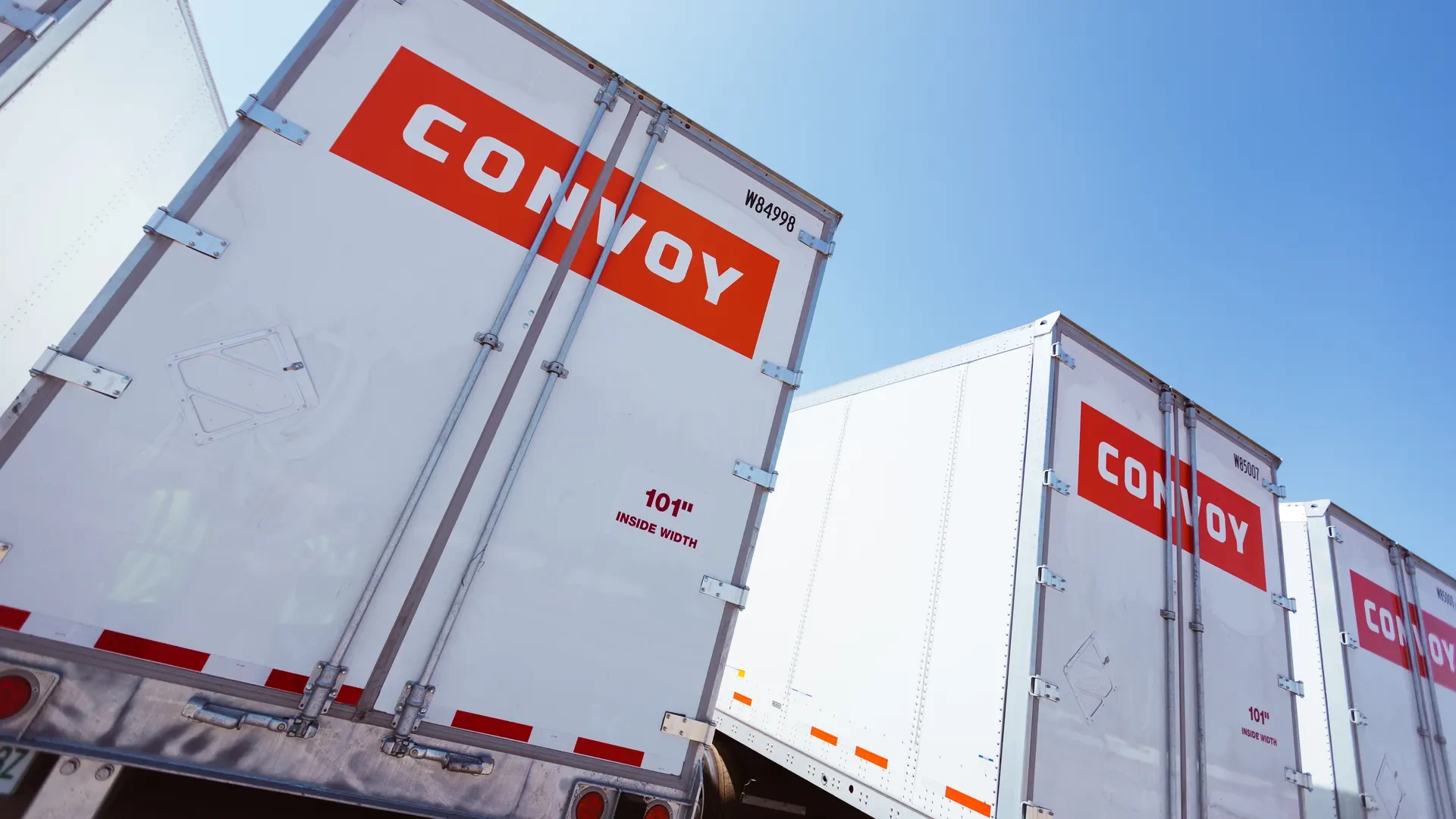
Company Snapshot
Founded: 2015
Industry: Freight logistics / marketplace
Capital Raised: ~$900M+
Peak Valuation: ~$3.8B
Outcome: Shut down operations in 2023
The company promised to make freight logistics more efficient by connecting shippers and carriers through a digital marketplace. The narrative was highly attractive to investors because trucking is a massive industry filled with inefficiencies, outdated systems, and operational fragmentation.
Convoy raised more than $900 million from major investors including Jeff Bezos, Salesforce founder Marc Benioff, and Fidelity Investments.
In October 2023, Convoy shut down operations.
The collapse highlighted a different type of failure: strong vision, real customer demand, and substantial capital were not enough to overcome difficult market realities and operational complexity.
The Expensive Decision
Convoy scaled operational infrastructure and growth expectations in a market with structurally difficult economics.
The company operated as though technology could solve market volatility faster than the underlying industry would allow.
Leadership Narrative
The strategic narrative was compelling:
- Trucking is fragmented
- Inefficiency creates opportunity
- Technology can modernize logistics
- Marketplace efficiency will create defensibility
- Scale will improve economics
These assumptions attracted substantial investor confidence.
The issue was not the narrative itself.
The issue was underestimating how difficult the operational reality would remain.
Operational Reality
- Freight markets are highly cyclical.
- Margins are often thin.
- Supply and demand fluctuate aggressively.
- The trucking industry remained highly sensitive to macroeconomic conditions.
- Even with better software infrastructure, Convoy still operated inside an industry with difficult economics.
- When freight demand weakened, the company’s operating model became significantly harder to sustain.
- The company reportedly attempted cost reductions, layoffs, and restructuring before shutting down.
- Operational complexity remained high while market conditions deteriorated.
The 5 Signals breakdown
Vision
The vision was legitimate and highly attractive.
Modernizing freight logistics remains a real opportunity.
The issue emerged when technological optimism outpaced structural industry realities.
Value
Convoy created real value.
Customers used the platform.
The challenge was whether enough value could be captured consistently enough to support long-term economics.
System
Marketplace businesses often become operationally complex very quickly.
Carrier relationships:
- shipper relationships
- pricing systems
- logistics coordination
- market balancing
Convoy operated in a business where execution complexity remained significant even with strong technology.
Market
This became one of the company’s biggest vulnerabilities.
Freight is deeply cyclical.
The market became significantly less favorable.
External market conditions exposed how fragile scaling assumptions had become.
Momentum
Large funding rounds created expectations for aggressive scale.
Valuation growth reinforced expansion pressure.
Momentum increased commitments before long-term resilience was proven.
Early Warning Signals
- Thin margins
- Market cyclicality
- High operational complexity
- Dependency on favorable freight conditions
- Difficulty achieving durable profitability
- Scaling expectations exceeding market stability
Diagnostic Questions
- How resilient is the business during freight downturns?
- Are margins strong enough to survive market volatility?
- What happens if market conditions reverse quickly?
- Are we scaling durable economics—or temporary market conditions?
- What becomes significantly more expensive if this growth strategy succeeds?
Final Lesson
- Convoy did not collapse because the idea lacked legitimacy.
- It collapsed because operational complexity and difficult market economics proved harder to overcome than investors and leadership expected.
- Technology can improve inefficient industries.
- It cannot eliminate structural market realities.
Let's Talk
Facing a decision that becomes expensive to reverse?
Many companies do not fail because leadership lacks ambition. They fail because growth decisions amplify risks that were never fully diagnosed.
Northline Diagnostic Lab helps founders identify hidden structural risks before scaling, fundraising, expansion, or operational complexity make those problems significantly harder to reverse.
© 2026 Northline Systems